Subterranean termites

Subterranean termites

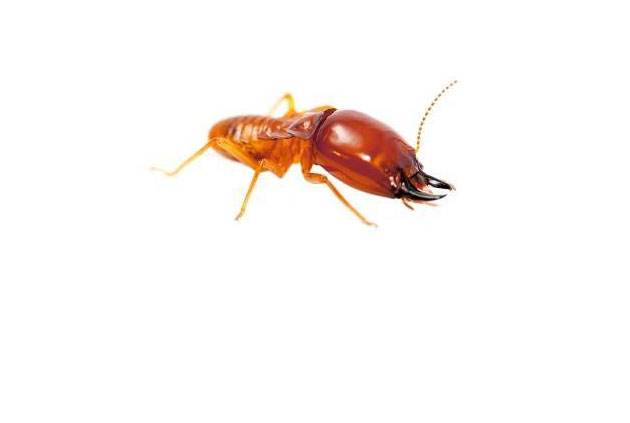
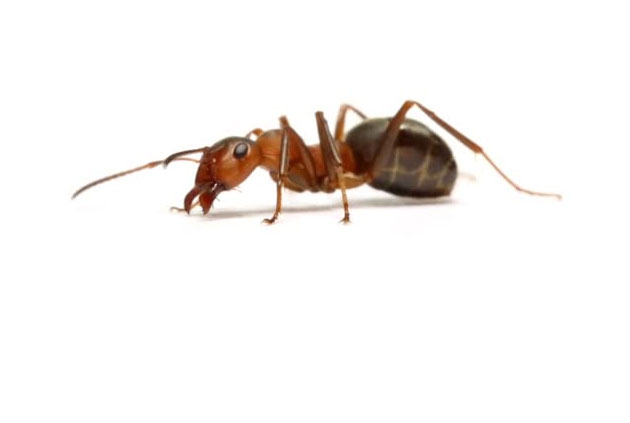
Termites belong to the insect order ISOPTERA. Although they are not related to ants, they are often referred to as ‘white ants’ because they, just as ants are social insects living in large colonies. A major difference between ants and termites lies in their shape of bodies. Ants have a constriction half way down their body (like wasps), whereas termites have a uniform broad body without any constrictors.

Subterranean termites are common in soil and play an important role in the environment to help convert dead wood and other organic materials containing cellulose to humus. Subterranean termites need wood for food and soil for moisture. Subterranean termites are the most important of the wood-destroying insects and termite management can be a major part of the pest control work. The total weight of all the termites in the world is greater than the weight of all the humans in the world.

Spiders

Spiders

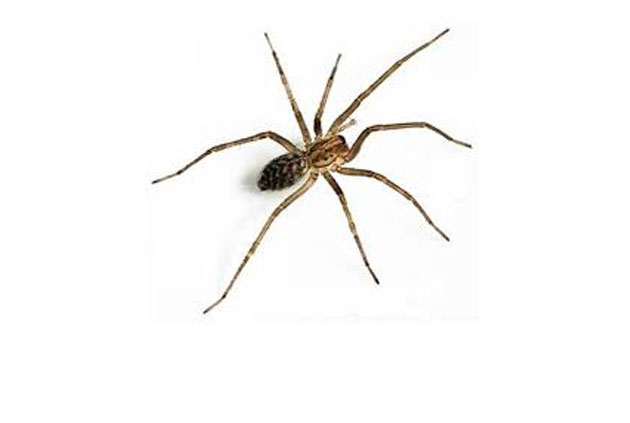
Some spiders like moisture and are found in basements, crawl spaces and other damp parts of buildings. Others like dry, warm areas such as subfloor air vents, upper corners of rooms and attics. They hide in dark areas.

Tens of thousands of spider species have been identified throughout the world. These arachnids have eight legs and two body segments. Spiders have three or four pair of eyes. Many spiders have poor vision, but some species of spiders, such as the jumping spider, have exceptional vision.

Rodents

Rodents

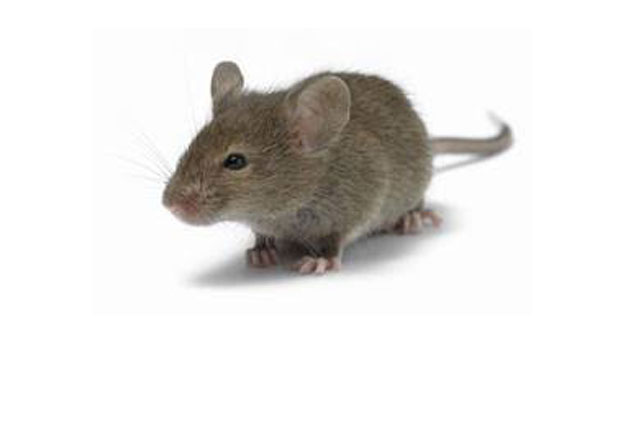
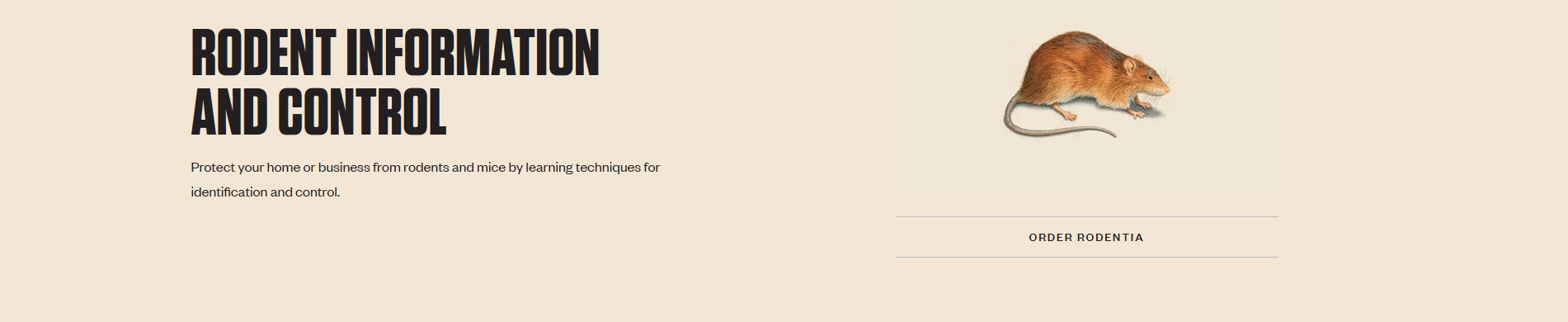
Brownish or greyish rodents with a tail approximately as long as the body. Omnivorous, often live in and around buildings. Rodents are carriers of over 45 types of diseases including spirochaetes, Salmonella, E.coli, enteritis, listeriosis and dysentery and many others. Rodents contaminate water and food. Rodents cause damages in buildings.

Norway rat – common rat and brown rat. Adults: 220-260mm long; tail length 160-200mm; weight 150-450g.

Roof rat – common names are Ship rat, Roof rat or Black rat. Adults: 180-230mm long; tail length 180-240mm long; weight 120-300g; droppings are approximately 12mm long. Usually black to light brown in colour with a lighter underside.

House Mouse – Common name is the House mouse. Adults: 60-90mm; tail length 80-100mm long; weight 15g-33g max; droppings are approximately 3-6mm long.

Mosquitoes

Mosquitoes

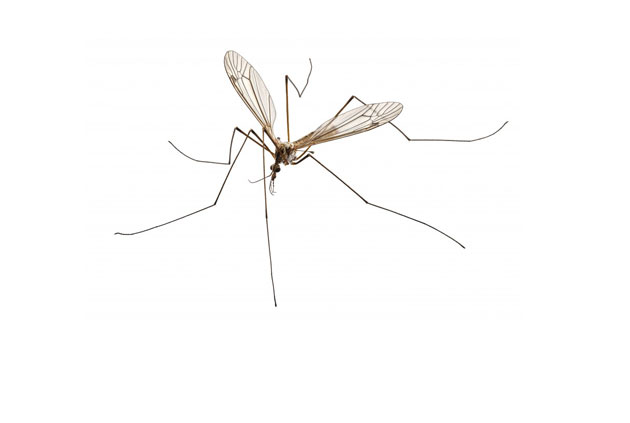
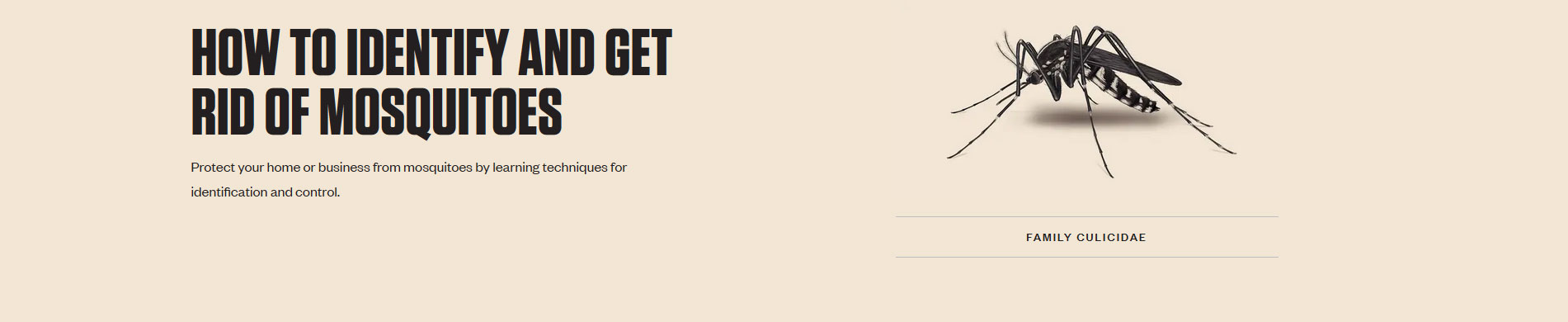
Wings speckled with dark pale-coloured scales, there are no scales on the abdomen. Female palps almost as long as proboscis, the male palps are usually clubbed. When resting the abdomen is held at an angle from the surface on which the mosquito is standing.

Mosquitoes are ubiquitous insects, they can be found in nearly every type of climatic region of the world from the arctic regions to the tropics. Mosquitoes can transmit many diseases to both humans and animals, eg. malaria, filariasis, yellow fever, encephalitis and dengue fever. Most mosquitoes feed from sunset onwards. The female mosquito pierces the host’s skin with her mouthparts and locates a blood vessel from which to suck the blood.

Houseflies

Houseflies

Characteristics

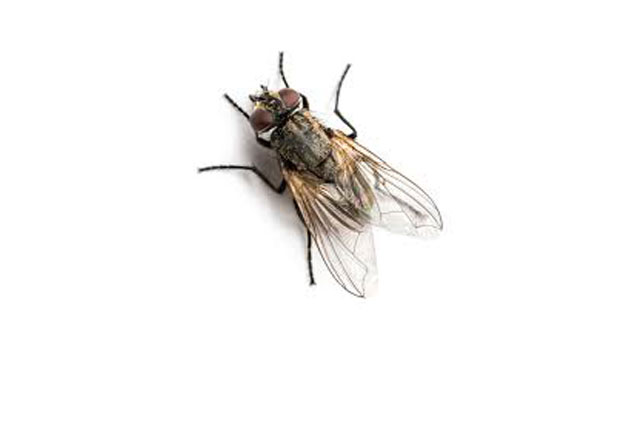
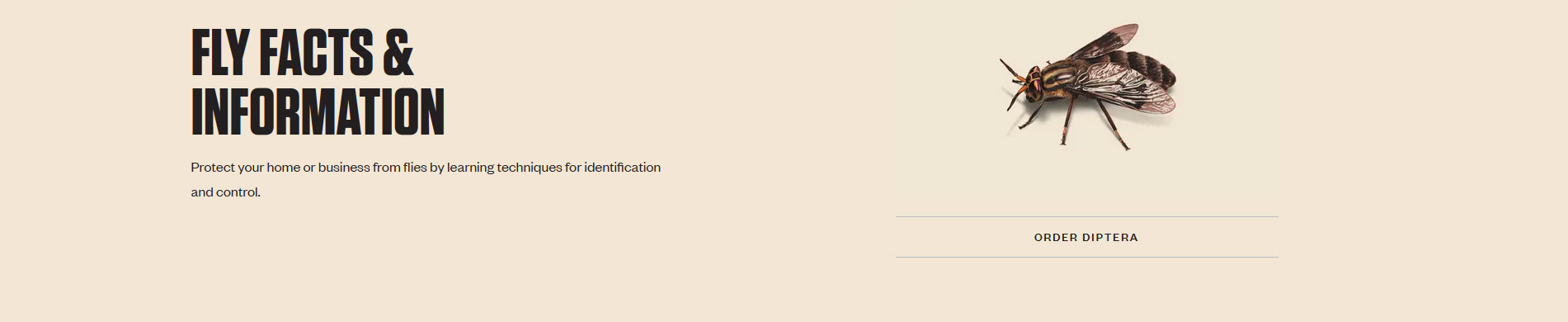
Single pair of membranous wings; hind wings modified as halters; sectorial mouthparts, piercing; large compound eyes; tarsi. 5 segmented; metamorphosis complete with egg, larval, pupal and adult stages.

Common houseflies are ubiquitous insects, with a flight range of at least 8 kilometers. They are highly active indoors. In colder climates breeding generally ceases before winter. In warm environments houseflies remain active and reproduce throughout the year.

Houseflies can transmit intestinal worms, or their eggs, and are potential vectors of diseases such as dysentery, gastroenteritis, typhoid, cholera and tuberculosis. They will frequent and feed indiscriminately on any liquefiable solid food, which may equally be moist, putrefying material or food stored for human consumption. The housefly tastes with its feet, which are 10 million times more sensitive to sugar than the human tounge.

Fleas

Fleas

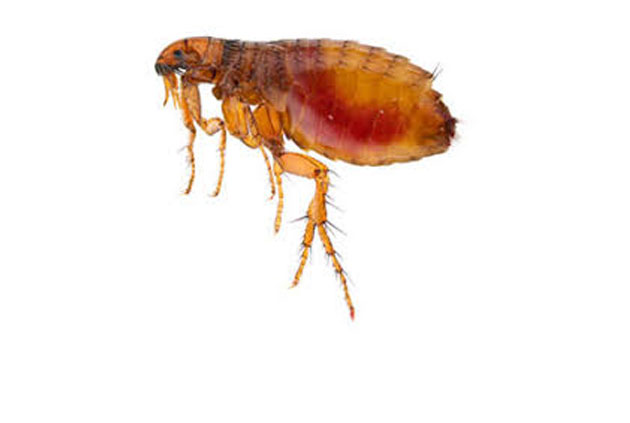
Adults 1-8mm long; brownish in colour, body laterally compressed (streamlined) and covered with backward-directed bristles; reduction or loss of eyes; piercing mouth parts; no wings, although transitory wing buds may appear in pupae or some species; muscular legs, with hind limbs adapted for jumping; metamorphosis complete with egg, larval, pupal and adult stages.

Adult fleas live exclusively as parasite of warm blooded animals, especially mammals, although birds may also be attacked. Whilst they show a certain degree of host preference, fleas are by no means specific and will feed on other animals in the absence of the normal host. Flea bites are identified as a tiny dark red spot surrounded by a reddened area. The bite persists for one or two days and is intensely irritating.

Cockroaches

Cockroaches

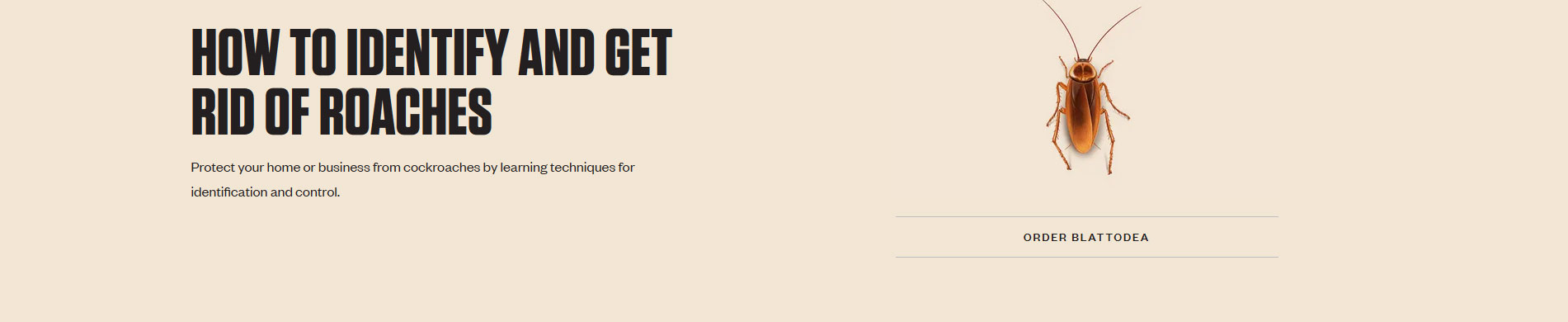
Generally two pairs of wings, although these maybe reduced or even absent; forewings have well developed veins and tend to be hardened, they overlap down the mid-dorsal line; membranous hindwings are folded below forewings; long whip like, many segmented antennae; omnivorous, with mouth parts adapted for biting; tarsi, 5-segmented; incomplete metamorphosis, with egg and nymph stages.

Special Characteristics

American cockroach- Adult, 28-44mm long; colour, red-brown with yellow border around pronotum; no yellow submarginal stripes on forewings; last segment of cerci, twice as long as wide.

German cockroach- Adult, 10-15mm long; yellow-brownish with two longitudinal dark marks on pronotum; wings well developed in both sexes, can readily climb rough and polished vertical surfaces.

Oriental cockroach-Adults, 20-24mm long; colour, dark-brown, nearly black; wings of male cover two-thirds of abdomen, wings of female are vestigial; can climb rough but smooth vertical surfaces.

Nymphs- The nymphs of all species are similar in appearance to the adult but smaller. Immediately after hatching or molting the nymphs are white, but the outside soon darkens to the normal colour.

Cockroaches are common in commercial premises associated with the production or handling of food. Also in public buildings and domestic premises eg. apartment blocks. Gregarious and nocturnal, they spend the day hiding in cracks and crevices around such areas such as sinks, drains, cookers, the backs of cupboards and in refrigerator compartments. Cockroaches can live more than a month without food, but only a week without water. A cockroach can live without its head but then dies due to lack of water.

Bed Bugs

Bed bugs

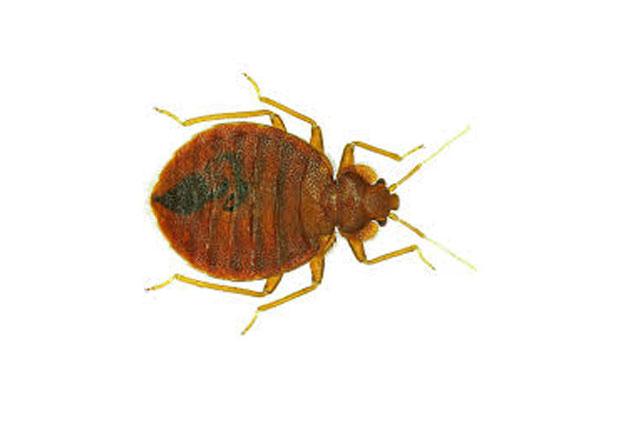
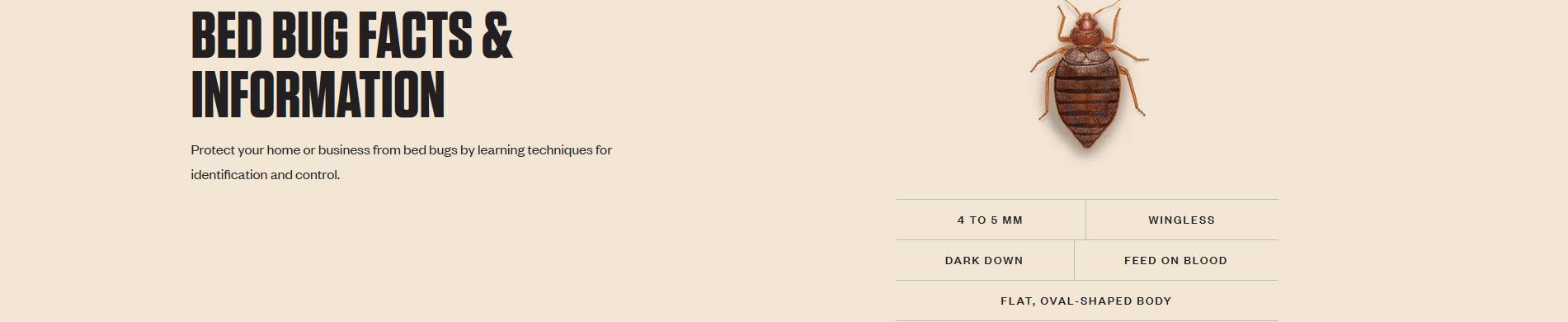
Two pairs of wings normally present; mouth parts piercing and sucking, forming a beak, or rostrum, normally held under the body. Metamorphosis usually incomplete, with egg and nymphal stages. Flat oval insects, with a very short, functionless forewings, hindwings absent, rostrum lies in a ventral groove; tarsi 3-segmented; exclusively bloodsucking. Adults, 5mm long; reddish-brown in colour, becoming purple after feeding; simple eyes; ratio of head width (including eyes) to length of third antennal segment usually greater than 1.7.

The principal host is man, though other warm blooded animals can be parasite. As bed bugs cannot fly, they must either crawl or be passively transported in clothing, or more probably in luggage, furniture, books and other objects used as harbourages. Their ability to withstand many months without feeding increases their chances of surviving such as transportation and the insects very wide distribution throughout their world demonstrates their success.

Bed bugs are often associated with poor, crowded and unhygienic conditions. Most bed bug infestations are to be found in domestic premises, usually in the bedrooms. Bed bugs , hide away in cracks and crevices for most of the time and coming out at night, usually just before dawn, to feed on the blood of their sleeping hosts.

Ants

Ants

Ants are social insects and live in large colonies.

Species characteristics

Argentine ants are dark brown insects. Argentine ants are common along the coast. The workers are all one size (= 3 mm). The move along well defined trails and are active 24 hours a day. Argentine ants feed on a variety of food stuff although they prefer sweet foods.

Black sugar ants are shiny in appearance. They occur throughout South Africa and are also common in fynbos. The workers are all one size. They work 24 hours a day and forage well defined trails. They will take most kinds of food.

Brown house ants are light brown ants and are sometimes also referred to as the big-headed ants. The workers occur in two sizes of which the soldiers have bigger heads. The smaller or minor workers are 2mm in length and the bigger or major workers are 3.5mm in length. The workers don’t always run in definite trails and are most active at night. Their food preferences include fats, sugar and honeydew.

Pugnacious ants are reddish brown with a head redder than the rest of the body. Pugnacious ants are very common in South Africa and prefer open areas. Workers vary in size from 2-10mm. They run in haphazard directions and attack anything in site. Pugnacious ants are predators and seed dispersers.